
June 18, 2026

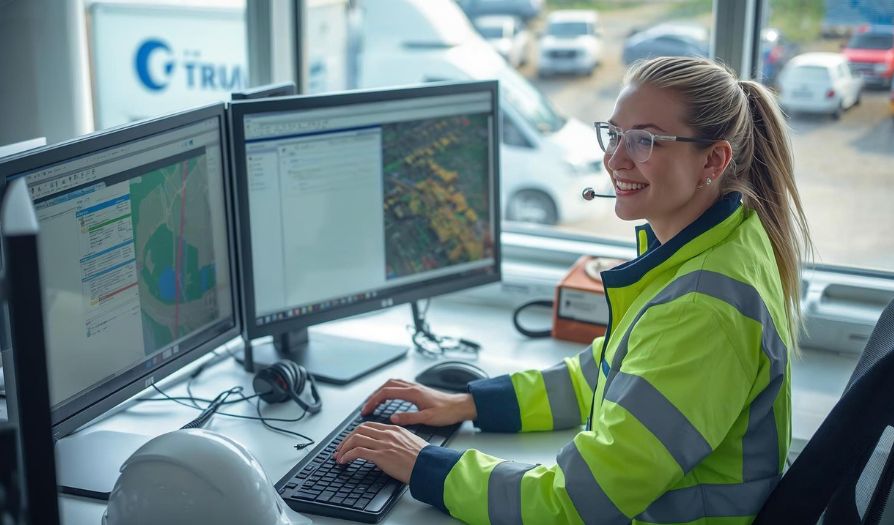


Workflow in logistics starts before route optimization. It is 6:30. The depot lights up and jobs land in the mobile app: addresses, time windows, exceptions. The dispatcher knows the first mistake of the day is expensive — poorly prepared data means the wrong route, delays, unhappy customers, and stressed drivers. Once vehicles leave, the window for correction shrinks fast. The goal is clear: deliver and collect everything that is planned.
In meetings it sounds simple: “Send the shipments into the optimization engine and it will design the best routes.” Reality is tougher. Not because the algorithm is weak, but because the inputs are inconsistent. Something is missing, something is duplicated, something is “agreed by phone.” And people fix it manually: checking addresses, merging stops, adding notes, reshuffling the order. What looks like a detail is in fact the workflow that decides cost and customer satisfaction.

With one of our logistics clients, we handle data preparation for delivery and pickup before it ever reaches the planning engine. The goal is not only to “clean the data.” The goal is to establish a workflow that does the same thing every day: pulls jobs from multiple sources, validates them, flags exceptions, sends unclear items back to the origin, and only then hands a clean package to optimization.
AI can help spot anomalies, suggest fixes, and explain why a shipment was flagged as risky. The dispatcher then reviews a few clearly described exceptions instead of hundreds of rows.
A tool can calculate the route. The workflow must decide when a human has the final word (VIP customers, express windows, hazardous or oversized cargo) and when the system can run automatically. It also has to react to changes during the day: who makes the change, how it updates the plan, who gets notified, and how the impact is measured.
Without this, a parallel operation emerges: the system plans, people improvise — and the result appears in the cost settlement for deliveries and collections.
A proven framework has three layers that bring order and measurable improvement:
“If we don’t measure it, we manage it by feeling,” you often hear in logistics.
When this chain is reinforced, cost per kilometer improves and customer promises are met more reliably. Less re‑planning means fewer calls, less stress at the ramp, and higher vehicle utilization. AI is then not a “new toy” but a motor that keeps order in the exceptions that make logistics most expensive today.
Hyverr can act as a digital ambassador: helping companies build workflow around data and decisions, connect systems and people, and set up change management so the process improves continuously, not only during a project.
Workflow first, optimization second.